INDIVIDUAL WITH LGMD: Leigha
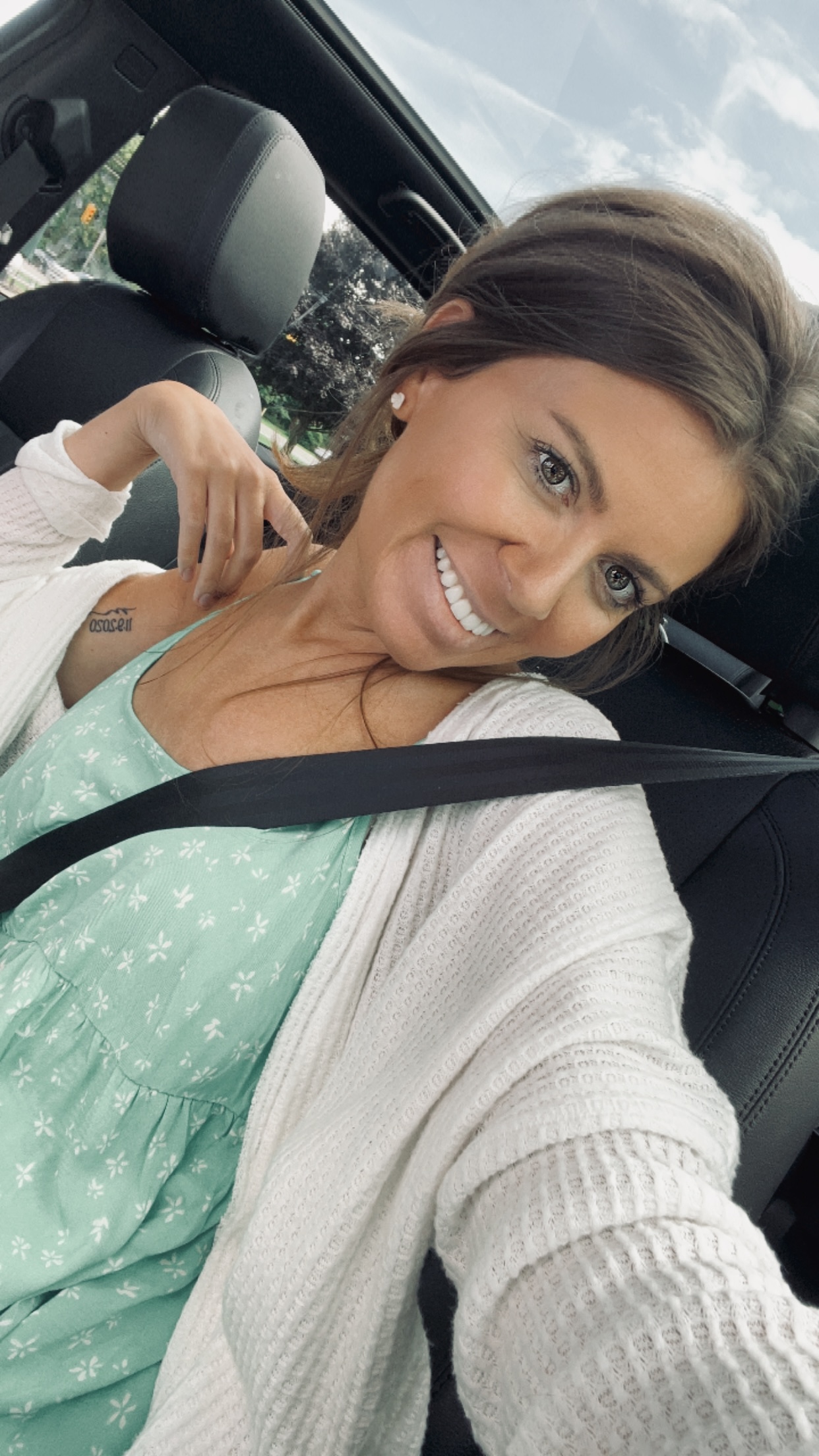
الاسم: Leigha
Age: 31
البلد: الولايات المتحدة الأمريكية
النوع الفرعي لـ LGMD LGMD 2I / LGMD R9 FKRP-related
في أي عمر تم تشخيص حالتك الصحية؟
14
ما هو أعظم إنجاز لك؟
The fact that I can still stand emotionally, spiritually, and in my mission means more than anything I could ever achieve on paper.
ما هي الأعراض الأولى التي ظهرت عليك؟
My earliest symptoms were trouble running, climbing stairs, and keeping up with the other kids. I fell often and felt a level of fatigue that didn’t match my age. Gym class, sports, and even simple movements became harder and harder, while everyone around me seemed to move effortlessly. Those early signs were isolating because no one understood why my body couldn’t keep up, and as an adolescent, I didn’t know how to put any of that into words.
كيف أثرت فيك LGMD لتصبح الشخص الذي أنت عليه اليوم؟
LGMD has influenced every part of who I am today. It's made me more empathetic, more aware, and more grateful for the moments others overlook. It’s made me cherish the tiniest of things while also holding onto the smallest abilities, the simplest movements, and every bit of strength left in me. Living with LGMD means carrying a constant grief while still choosing to show up, every single day, in whatever way your body allows. It’s a continuous lesson in patience, adaptation, and resilience. LGMD has taught me how to endure, how to soften, how to advocate, and how to keep choosing hope even when the future feels uncertain. In many ways, it has shaped my life and my character, influencing how I love, how I cope, and how I move through the world.
هل لديك أفراد آخرون من عائلتك مصابون بداء تضخم الغدد اللمفاوية العضلية؟
Yes. My brother was also diagnosed with LGMD2i, and he passed away at just 36 years old. Sharing this disease with him shaped so much of my journey. It connected us, challenged us, and ultimately deepened the purpose behind why I speak up and advocate today. His strength and courage continues to inspire everything I do.
ما الذي تريدين أن يعرفه العالم عن LGMD؟
I want the world to know that LGMD isn’t “just a muscle disease.” It’s a lifelong, progressive condition that impacts every part of your body and every corner of your life. From how you move, to how you breathe, to how you plan. Most people don’t realize how much effort it takes to do the simplest of things, or how much grief comes with losing abilities slowly over time. The slow disappearance of strength, the constant adapting, the silent grief of watching your body change in ways that are completely out of your control. LGMD affects the physical body but it also affects mental health, relationships, independence, and identity. And because so much of it is invisible, people often pass judgement.I want the world to approach LGMD with empathy, awareness, and urgency. We need more research. We need better support. And we need people to understand that those living with LGMD are fighting battles every day that most will never witness.
ما هي أكبر التحديات التي تواجهينها في التعايش مع داء الليثيونيز الغدد الصماء؟
The greatest challenge is living in a body that’s constantly changing. I’m always adapting, grieving abilities as they fade, and learning new ways to do things that were once so simple. The physical exhaustion and the emotional weight of the constant adjustments are the hardest parts. And yet, my challenges haven’t come from the disease alone. I’ve endured the loss of my mother who was my anchor, my caregiver, and my safest place, and not long after, the heartbreak of losing my brother, who shared this debilitating illness with me and understood my struggles in a way only he could. I’ve survived a car accident with a drunk driver who altered the course of my body and my entire life. And all the while, fighting the weight of this disease every day that continues to take pieces of my strength with it.
إذا كان بإمكانك "علاج" مرضك بالتهاب الغدد اللمفاوية الروماتيزمية غدًا، فما هو أول شيء تريد فعله؟
I’d savor every simple movement I’ve missed. I would run straight into the arms of the people I love. And then keep running, just because I finally could. I’d get down on the floor and play with my dog again. I’d meet my niece and nephews where they are and hug them fully, without limitation. I’d stand at the counter and cook a meal without worrying whether my legs could hold me up. I’d dance again, even if only for a minute, just to feel my body move freely. To move and express without thinking, without planning, without having to brace myself for what might happen next.